
- posted: Feb. 13, 2025
Seasonal Maintenance for Rental Properties: A Comprehensive Guide
Renting or owning a property comes with obligations that vary with the seasons. Keeping periodic maintenance current is crucial for maintaining safe, functional, and reasonably priced living quarters. Whether you rent or own, being proactive about these chores will help the property to be in better general shape and help to avoid expensive repairs. This book will give you basic seasonal maintenance chores to maintain your rental home in great shape all year long.
Why Seasonal Maintenance Matters
For various reasons, seasonal maintenance for rental properties is absolutely vital. It guarantees compliance with housing rules, increases tenant comfort and safety, and helps prevent significant damage resulting from weather fluctuations. Ignoring consistent maintenance could result in dissatisfied tenants, costly repairs, and legal obligations.
Maintaining the property rests in part on both tenants and landlords. Tenants are responsible for reporting issues and performing basic tasks outlined in their lease agreements, while landlords typically manage extensive systems and structural upkeep.
Spring Maintenance Tasks
Examining and fixing any damage caused by winter conditions is best done in the spring. This season is mostly about getting the property ready for warmer months.
For Landlords:
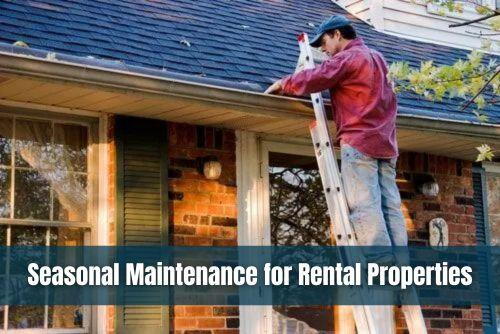
Roof and Gutters: Search for winter damage, including leaks, loose shingles, and clogged gutters on your roof and gutters. Clear anything to stop water damage.
HVAC Systems: Plan a professional visit and servicing of heating, ventilation, and air conditioning systems.
Outdoor Areas: Examine the paths, fences, and landscaping for signs of wear and tear. Correct required repairs to guarantee tenant safety.
Pest Control: Attend to any winter-related infestations that could have started.
For Tenants:
Report Issues: Notify your landlord of any winter damage you observed, like leaks, drafts, or malfunctioning appliances.
Detectors: Test carbon monoxide and smoke detectors to be in operating order.
Outdoor Spaces: Organize any personal items from common outdoor spaces so that landscaping and maintenance tasks may be easier.
By finishing these chores, you guarantee that the rental is ready for the approaching warmer months and lower your chances of property damage.
Summer Maintenance Tasks
Summer upkeep is mostly aimed at keeping the property energy-efficient and cool. It's also the perfect time to start outside projects.
For Landlords:
Air Conditioning: To guarantee air conditioning units are running as they should, check and clean them. Change the air filters to enhance effectiveness.
Windows and Doors: Check windows and doors for cracks and damaged seals that could allow energy to escape. As needed, apply caulking or weather stripping.
Landscaping: Cut bushes and trees to stop limbs from wreaking havoc on the property in storms. Deal with any potential pests.
For Tenants:
- Energy Conservation: Steer clear of overloading electrical outlets, particularly in multiple-fan or air conditioning unit use.
- A/C Usage: Using air conditioning helps you save energy by keeping doors and windows closed.
- Pest Prevention: Tell the landlord right away if you notice any signs of pest activity.
- Along with improving comfort, good summer maintenance lowers energy costs and helps to prevent future damage.
Fall Maintenance Tasks
Fall maintenance projects seek to equip the property for the approaching cold season as temperatures decrease.
For Landlords:
Heating Systems: To guarantee the heating system runs effectively, plan an inspection and servicing of it.
Gutters: Clear fallen leaf gutters and downspouts to avoid clogs and water damage.
Weatherproofing: Examining and sealing windows, doors, and outside walls will help to stop drafts and moisture ingress.
For Tenants:
Heating Checks: Test early in the season heating systems and let the landlord know if any problems arise.
Leaf Removal: Clear leaves and trash from paths to stop trips and falls.
Energy Efficiency: Help to insulate windows by closing curtains or blinds, therefore lowering heating expenses.
By finishing these chores, one guarantees the property stays safe and comfortable and helps prevent damage connected with winters.
Winter Maintenance Tasks
Protecting the property from cold temperatures and dangerous situations defines winter upkeep.
For Landlords:
Pipe Insulation: Insulate any exposed pipes to prevent freezing and exploding.
Snow Removal: Clear policies on snow removal should be given to renters, and salt should be applied on sidewalks to stop ice accumulation.
Emergency Systems: Inspect carbon monoxide detectors, smoke detectors, and backup generators.
For Tenants:
Heating Maintenance: Maintaining a modest degree of heating will help prevent frozen pipes.
Walkway Safety: Should the conditions call for it, clear snow and ice from walks and driveways.
Heater Safety: Steer clear of furniture or other objects blocking heaters if you want appropriate ventilation.
Keeping ahead of winter maintenance chores helps to avoid crises and guarantees the general safety of every resident.
Legal Considerations for Seasonal Maintenance
Both tenants and landlords must know their legal obligations for seasonal upkeep. Usually, lease agreements state these obligations. Many places call on landlords to keep basic services, such as plumbing, heating, and electricity, in running order. Tenants, on the other hand, might be in charge of regular chores including light bulb replacement or snow removal.
For instance, the Housing Maintenance Code requires New York City's landlords to keep safe conditions year-round and supply heat during the winter. Ignoring these rules may land you fines and legal action.
Regular communication between both parties will help guarantee legal compliance and handle maintenance requirements. Recording maintenance chores and requests can also help quickly settle conflicts.
Tips for Effective Year-Round Maintenance
Landlords and renters should follow a year-round maintenance plan to keep rental homes in the best shape:
Create a Maintenance Calendar: Including tasks for every season, to remain orderly. Plan frequent inspections.
Encourage Reporting: Tenants should report issues as they arise to prevent minor issues from escalating.
Budget for Repairs: Landlords should set aside money for seasonal repairs to help prevent financial burdens during crises.
Work with Professionals: Work with licensed professionals to guarantee quality repairs and servicing for complicated systems, including plumbing and HVAC.
Tenants and landlords can enjoy a safe, effective, and well-maintained property by being proactive and working on maintenance chores.
Conclusion
Seasonal maintenance for rental properties is a crucial aspect of property management. By tackling chores unique to every season, landlords may preserve their investment, and tenants will have a pleasant place to live. Regular maintenance guarantees legal compliance, lowers the possibility of expensive repairs, and helps to improve landlord-tenant relationships. Start organizing your seasonal maintenance calendar right now to maintain the best state of your rental property.

