
- posted: Nov. 23, 2024
Handling Late Rent Payments Fairly and Legally
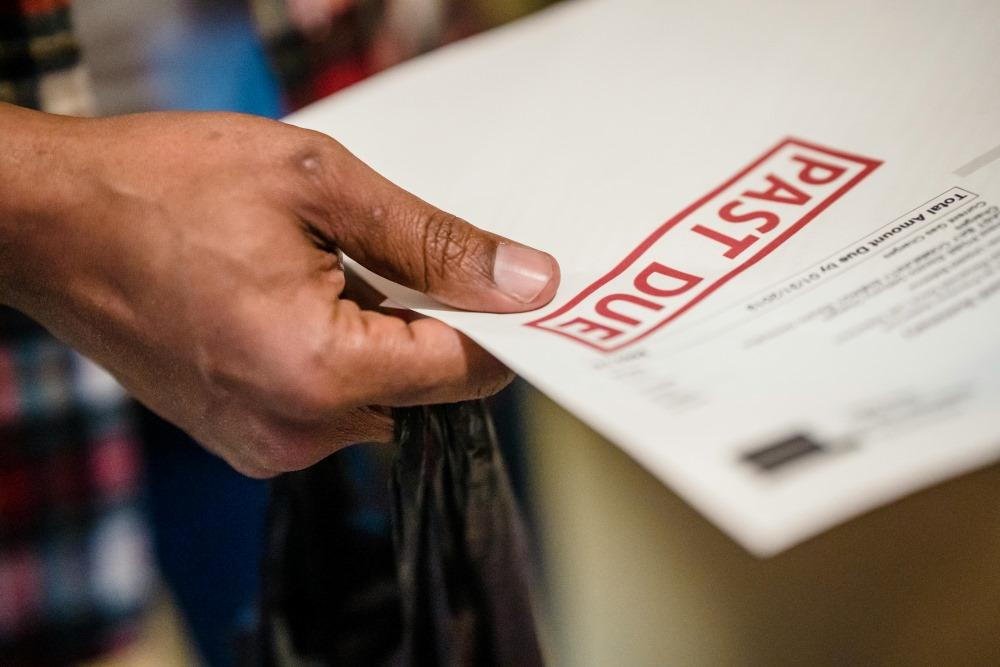
Late rent payments, a common issue in landlord-tenant interactions, often cause stress for both parties involved. Adopting best practices and knowing the legal background on this issue will help avoid conflicts and improve seamless communication. This paper will discuss the legal rules and approaches for properly managing late rent payments, ensuring legal compliance.
What Are Late Rent Payments?
Late rent payments result from renters failing to pay by the specified due date. Usually spanning three to five days, most lease agreements provide a grace period to offer tenants some flexibility free from fines. Tenant penalties or even eviction notifications could follow, though, should they go beyond this period.
Local and state rules control landlord's responses to late rent payments. Both tenants and landlords depend on an awareness of these rules to make sure their activities remain fair and legal.
Legal Guidelines for Late Rent Payments
State-Specific Laws
Each state has its own laws regulating late rent payments by landlords. For example, some jurisdictions regulate the amount of late fees a landlord can demand, while others specify the type of notice renters must provide before filing a lawsuit. Avoiding legal conflicts depends on thorough research and respect for these laws.
For example, New York usually restricts late fines at 5% of the monthly rent, and landlords have to give their tenants appropriate notice before starting eviction actions. Ignoring these rules could compromise landlords' legal position and cost them fines.
Notice Requirements
When rent falls late, landlords have to formally notify their tenants. A "pay or quit" notice—which offers tenants a designated term, say three to five days, to pay past-due rent or leave the property—is a regular demand. Courts must enforce notices according to local rules.
Tenant Protections
Tenant rights abound even if their rent is late. Anti-retaliation rules guard renters against unfair treatment—including threats of unexpected eviction—when they use their legal rights. Some governments also provide interim safeguards against eviction during crises, such as the COVID-19 epidemic.
Late Fees: What Landlords and Tenants Need to Know
Although late payments of rent often result in late fines, they have to follow ethical and legal norms. Most states control late fee rates for landlords, therefore guaranteeing that these penalties stay reasonable and not predatory.
Reasonable Late Fees
Instead of being a penalty, late fees should reflect the inconvenience that late payments cause. Usually, landlords charge either a flat fee—say, $50—or a nominal percentage of the monthly rent—say, 3–5%. Legal conflicts and damage to landlord-tenant relations may follow from overcharging tenants.
Unlawful Fees
For landlords, outrageous late penalties or concealed costs could lead to legal repercussions. Tenants have the right to contest irrational fees, particularly if they go beyond state legislative caps. Avoiding such disputes depends on clear lease agreements.
Eviction Risks Associated with Late Rent Payments
One of the most serious effects of late rent payments is the possibility of eviction. However, eviction is not an automatic process and requires the completion of legal procedures.
The Legal Eviction Process
Landlords are required to dismiss a tenant for late rent payments.
Present a suitable notice, like a "pay or quit" one.
Allow renters to repay overdue rent gradually within a specified timeframe.
Should the tenant ignore their payments, file an eviction lawsuit.
Ignoring any one of these stages will invalidate the eviction, slow down the process, and raise landlords' expenses.
Tenant Rights During Eviction
Tenants who recently paid their rent have the right to challenge the actions before courts. If the landlord disregards the notification requirements, imposes illegal late fines, or violates other legal norms, they have the right to object to the eviction.
Best Practices for Landlords
Dealing with late rent calls for a combination of justice and rigidity. These are some landlord tactics:
1. Clear Lease Agreements
The due date for rent, grace terms, late penalties, and any late payment repercussions should all be clear in a carefully written lease agreement. This clarity guards both sides and helps avoid misinterpretation.
2. Open Communication
Landlords should promptly address late rent from a renter. Many times, renters may experience temporary financial difficulties, which they can resolve by arranging a payment schedule.
3. Flexible Solutions
Think about providing alternatives like payment extensions or lowered late penalties instead of right away chasing eviction. Flexibility helps to maintain a good landlord-tenant relationship and helps to prevent the expenses related to eviction procedures.
Best Practices for Tenants
Tenants can also act pro-actively to properly handle late rent payments.
1. Communicate Early
Tell your landlord right away if you expect trouble making timely rent payments. Most landlords value honest communication and could be ready to help you come up with a solution.
2. Explore Rental Assistance Programs
Initiatives like the Emergency Rental Assistance Program (ERAP) enable tenants to cover past-due rent. Examine your local resources and, if you meet the eligibility requirements, take immediate action.
3. Know Your Rights
Understanding your legal rights is crucial when handling late rent. To guarantee equitable treatment, learn state rules on late fees, notice requirements, and eviction processes.

Proactive Tips to Avoid Late Rent Payment Issues
Tenants and landlords alike can help reduce late rent payments.
For Landlords:
Give renters the choice to arrange automatic payments.
A few days before rent is due, remind yourself.
Open lines of contact help you handle possible problems early.
For Tenants:
Strictly budget to give rent top priority.
To prevent missing due dates, schedule reminders or automatic payments.
Talk about financial difficulties with renters early on.
Conclusion
Although late rent can be difficult, landlords and tenants can properly negotiate these circumstances by knowing the legal rules and using best practices. Both sides can reduce conflict and keep a positive relationship by encouraging honest communication, guaranteeing local law compliance, and looking at creative ideas. Whether you rent or own, resolving late payments effectively depends on your being proactive and educated.

