
- posted: Mar. 17, 2026
Landlord Responsibility for Garbage Removal: What NYC Housing Laws Require
Clean and properly managed sanitation is a basic expectation in any rental property. In a dense city like New York, where many people live in multi-unit buildings, garbage management plays an important role in maintaining healthy living conditions. When trash is not handled properly, it can create unpleasant odors, attract pests, and lead to violations of housing regulations.
For this reason, New York City housing standards establish clear expectations regarding sanitation. Understanding Landlord Responsibility for Garbage Removal helps both tenants and property owners know what is required to maintain safe and clean buildings. Proper garbage management is not only a matter of convenience but also a legal requirement tied to building maintenance and tenant health.
Why Garbage and Sanitation Are Regulated
Sanitation problems can quickly affect an entire building. When garbage accumulates or is stored improperly, it may attract rodents and insects, damage property conditions, and create risks to public health. In apartment buildings where multiple households share common areas, these issues can spread quickly.
To prevent these problems, housing rules in New York City require property owners to maintain sanitary conditions in residential buildings. This includes managing how garbage is stored, handled, and removed from the property. The goal of these regulations is to ensure that tenants have a clean and safe environment and that surrounding neighborhoods are not negatively affected by waste buildup.
Because of these concerns, the concept of Landlord Responsibility for Garbage Removal plays an important role in building maintenance and housing compliance.
What NYC Housing Rules Expect From Landlords
Property owners who rent residential units must maintain their buildings according to city housing standards. This responsibility extends to waste management and sanitation practices within the building.
Landlords are generally expected to provide a system for collecting and storing garbage until it is picked up. In many buildings, this means installing trash bins, dumpsters, or designated garbage rooms where residents can place their waste safely.
Typical sanitation responsibilities for landlords may include:
Providing appropriate garbage containers
Keeping trash areas clean and accessible
Ensuring waste is collected regularly
Preventing garbage from accumulating in common areas
These responsibilities reflect the broader legal expectation that property owners maintain safe living conditions for their tenants. When these systems are not properly maintained, it may raise questions about Landlord Responsibility for Garbage Removal and whether housing standards are being followed.
The Role Tenants Play in Waste Disposal
Although property owners are responsible for providing sanitation systems, tenants also have obligations when it comes to disposing of garbage. Proper waste handling by residents helps keep buildings clean and prevents sanitation issues from developing.
Tenants are typically expected to follow building rules regarding trash disposal. This may include placing garbage in designated containers, tying trash bags securely, and avoiding leaving waste in hallways or shared areas.
Common tenant responsibilities may include:
Using approved garbage containers
Following building guidelines for trash disposal
Avoiding leaving garbage in common spaces
Properly disposing of large or bulky items
When tenants do not follow these rules, sanitation problems may arise even when proper systems are in place. However, the overall maintenance of garbage systems and waste storage areas still falls under Landlord Responsibility for Garbage Removal in most situations.
Common Garbage Issues in Rental Buildings
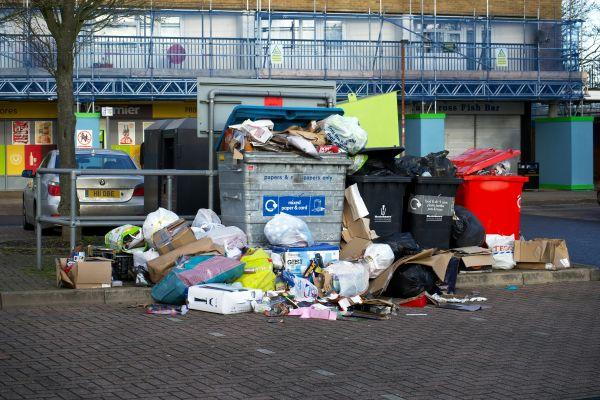
Sanitation issues can arise in various ways in rental properties. In some buildings, garbage containers may overflow because they are not emptied frequently enough. In other cases, trash rooms or storage areas may become unsanitary if they are not regularly cleaned.
Some common sanitation problems seen in rental housing include:
Overflowing dumpsters or garbage bins
Trash left in hallways or stairwells
Dirty or poorly maintained waste storage areas
Pest activity caused by accumulated garbage
When these conditions appear, they can create discomfort for residents and may lead to complaints or inspections. Maintaining consistent sanitation practices helps reduce these risks and reinforces the importance of Landlord Responsibility for Garbage Removal.
Possible Consequences of Poor Sanitation Management
Failure to manage garbage properly can have consequences for rental property owners. Sanitation violations may occur when buildings do not meet required cleanliness standards or when garbage accumulates in unsafe ways.
City agencies may investigate complaints related to trash buildup, pest activity, or unsanitary conditions. If problems are confirmed, property owners may be required to correct the issue and maintain proper sanitation moving forward.
For tenants, ongoing sanitation problems can affect daily living conditions and may raise concerns about building maintenance. In many cases, issues are first addressed by notifying building management so the problem can be resolved.
Maintaining a Clean Rental Environment
Effective garbage management requires organization, communication, and regular maintenance. Buildings that have clear sanitation procedures and properly maintained waste areas are less likely to experience serious sanitation issues.
Property owners can help maintain clean conditions by ensuring that garbage storage areas are accessible, containers are adequate for the building’s size, and waste is removed regularly. Tenants can contribute by following disposal guidelines and keeping common areas clear of trash.
Ultimately, maintaining sanitation is a shared effort between property owners and residents. By understanding Landlord Responsibility for Garbage Removal and following NYC housing standards, rental buildings can remain clean, safe, and comfortable places to live.

