
- posted: Jan. 22, 2026
Landlord Responsibility for Snow and Ice Removal: What NYC Law Requires
New York City winters bring more than just cold and wind. Snow and ice can pile up on sidewalks, building entrances, and common areas, posing risks for residents and visitors. Slip-and-fall accidents are frequent in winter. Many occur because property owners ignore the rules for snow removal.
Landlords and tenants must understand landlord responsibility for snow and ice removal. New York City has strict laws about when and how to clear snow and ice. Not following these rules can lead to penalties, violations, and legal action.
This article covers snow removal laws. It explains where and how quickly snow must be cleared. It also details the consequences for landlords who don’t comply.
What NYC Law Says About Snow and Ice Removal
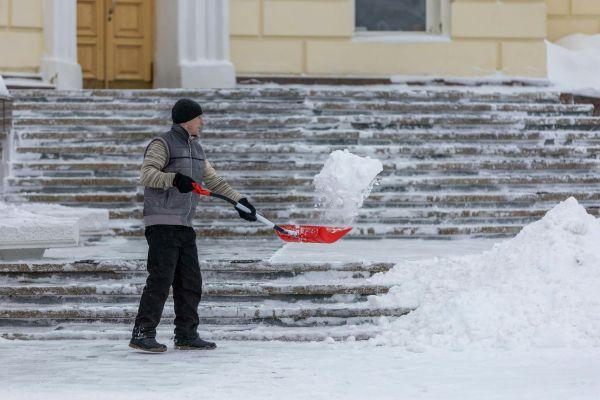
The NYC Administrative Code outlines the rules for snow and ice removal in New York City. Property owners must clear snow and ice from sidewalks and building entrances within a specific time after it snows.
Typically, the landlord or property owner handles these requirements for residential and commercial rentals, not the renter. This rule helps keep pedestrians safe and ensures access to buildings during winter storms.
The property owner remains legally responsible, even if they hire a management firm or a snow removal contractor.
When Must Snow and Ice Be Removed?
NYC sets clear deadlines for snow removal:
If snowfall ends between 7:00 a.m. and 4:49 p.m., sidewalks must be cleared within 4 hours.
If snowfall ends between 5:00 p.m. and 8:59 p.m., sidewalks must be cleared within 14 hours (by 11:00 a.m. the next day).
If snow stops overnight (9:00 p.m.–6:59 a.m.), sidewalks must be cleared by 11:00 a.m. the following day.
These deadlines apply regardless of weekends or holidays.
Landlords must also monitor the refreezing process. You have to treat snow that has melted and then frozen again later in the day using salt or sand.
Areas Landlords Are Required to Clear
Under NYC law, landlords are responsible for keeping several areas safe and accessible:
Sidewalks
Property owners must clear the entire width of the sidewalk abutting their building, including curb cuts and pedestrian ramps.
Building Entrances
All entrances used by tenants and the public must be cleared of snow and ice, including front doors, rear exits, and emergency exits.
Common Areas
Interior and exterior common areas must also be safe, including:
Courtyards
Walkways
Parking areas
Trash and recycling access paths
Fire escape access routes
These spaces fall squarely under Landlord Responsibility for Snow and Ice Removal and must be maintained throughout winter weather conditions.
Safety Standards for Snow Removal
NYC law requires more than just pushing snow to the side. Landlords must take reasonable steps to make walkways safe:
Snow must be shoveled, not just trampled down
Ice must be treated with salt or sand
Piles of snow cannot block pedestrian access
Melted snow that refreezes must be treated again
Clearing a narrow passage isn’t enough. The sidewalk must be easy to walk on, especially for people with impairments, strollers, and mobility aids.
What Happens If a Landlord Does Not Comply?
If snow and ice aren’t removed, the following may happen:
City Fines and Violations
The NYC Department of Sanitation can issue violations if sidewalks are not cleared on time. Fines typically range from:
$100 to $150 for a first offense
Higher penalties for repeat violations
Civil Liability for Injuries
If someone slips and falls on uncleared snow or ice, the landlord might need to cover medical bills, lost wages, and other damages.
Courts often check if the landlord followed the rules and took steps to ensure safety.
Housing Code Violations
The Department of Housing Preservation and Development (HPD) might find that landlords are violating housing codes if snow and ice make it difficult for tenants to reach their buildings or create unsafe conditions.
That's why landlords must take snow and ice removal seriously. It’s not just a legal duty; it’s essential for managing risk.
Are Tenants Ever Responsible?
Renters in residential buildings usually don’t have to shovel snow and ice from sidewalks or shared spaces. Even if a contract tries to make tenants responsible, courts often find these sections unenforceable.
In tiny multi-family homes or private houses, a landlord can require a renter to shovel snow. However, the landlord may still be responsible for any injuries that happen.
Because of this, landlords should never rely solely on tenants to fulfill snow removal obligations.
What Tenants Can Do If Snow and Ice Are Not Cleared
Tenants who encounter unsafe conditions should:
Notify the landlord or management company in writing
Take photos of the unsafe areas
File a complaint with 311
Request an inspection from HPD if access to the building is blocked
If a tenant gets hurt because of snow or ice that hasn’t been cleared, they might have legal options based on the situation.
Why Compliance Matters
New York City faces winter weather, but walking in dangerous conditions isn’t an option. The law aims to keep walkways and building entrances safe for everyone. This includes tenants, postal workers, delivery drivers, emergency responders, and the public.
Landlords who ignore snow and ice removal can face serious legal and financial issues. Taking the right steps ensures safety for everyone and protects property owners.
Ultimately, Landlord Responsibility for Snow and Ice Removal is a core part of maintaining a safe and legally compliant rental property in NYC.

