
- posted: Mar. 29, 2026
Tenant Rights During Building Foreclosure: What NYC Law Protects
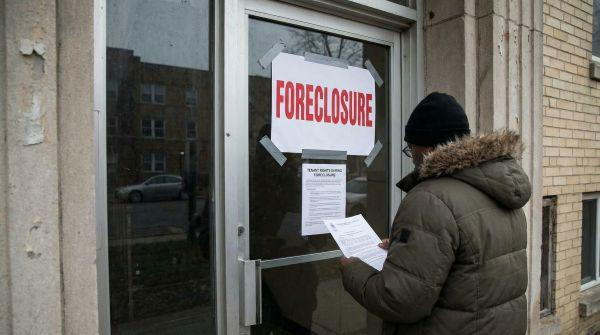
When a building enters foreclosure, tenants are often left wondering what happens next. Will they have to move out? Does the lease still apply? Who becomes the landlord? These are common concerns, especially in New York City where housing laws are detailed and highly specific. Understanding Tenant Rights During Building Foreclosure can help renters stay informed and avoid unnecessary panic during this transition.
What Foreclosure Means for Tenants
Foreclosure happens when a property owner fails to keep up with mortgage payments, and the lender takes legal action to take control of the property. While this process affects ownership, it does not automatically cancel tenant rights.
For renters, foreclosure is primarily a change in who owns the building—not a signal that they must leave immediately. This is why Tenant Rights During Building Foreclosure are so important. They ensure tenants are not displaced without proper legal procedures.
Can a Tenant Be Forced to Leave Immediately?
A common misconception is that foreclosure leads to instant eviction. In reality, tenants in NYC cannot be removed without following legal steps.
In most cases:
Tenants with active leases have the right to remain until the lease expires
Month-to-month tenants must receive advance notice before being asked to vacate
Any eviction must go through housing court
Federal law, including the Protecting Tenants at Foreclosure Act, supports these protections by requiring proper notice and respecting valid leases. New York laws add another layer of protection, making it difficult for new owners to remove tenants without cause.
These rules are central to Tenant Rights During Building Foreclosure, helping ensure stability even during ownership changes.
What Happens to Your Lease?
One of the biggest questions tenants ask is whether their lease still matters after foreclosure. In many cases, the answer is yes.
When a new owner takes over the property, they typically inherit the existing lease agreements. This means:
Lease terms remain enforceable
Rent amounts stay the same unless legally adjusted
Tenants cannot be asked to leave simply due to foreclosure
There are limited exceptions, such as when a new owner intends to use the unit as a primary residence. Even then, proper notice is required.
Understanding how leases carry over is a key part of Tenant Rights During Building Foreclosure, especially for tenants with long-term agreements.
Differences Between Rent-Stabilized and Market-Rate Tenants
In NYC, tenant protections depend heavily on whether the unit is rent-stabilized or market-rate.
Rent-Stabilized Tenants
Rent-stabilized tenants benefit from strong legal protections:
They have the right to lease renewals
Rent increases are regulated
Evictions are only allowed under specific legal grounds
Foreclosure does not remove these protections. The new owner must follow rent stabilization laws just as the previous landlord did.
Market-Rate Tenants
Market-rate tenants also have rights, though they are more limited:
Fixed-term leases must be honored
Month-to-month tenants must receive proper notice
Evictions still require court approval
Even without rent stabilization, Tenant Rights During Building Foreclosure prevent sudden or unlawful displacement.
Paying Rent After Foreclosure
Another area of confusion is rent payment. Tenants may not immediately know who to pay after a foreclosure process begins or ends.
In general:
Continue paying rent as usual until notified otherwise
Wait for official communication identifying the new owner
Keep records of all payments and notices
Once ownership officially changes, tenants will receive instructions on where to send rent. Staying organized during this period helps avoid disputes or misunderstandings.
Protection Against Harassment or Illegal Eviction
New York City has strict laws to protect tenants from harassment, especially during sensitive situations like foreclosure.
New owners or agents cannot:
Pressure tenants to leave without legal notice
Change locks or cut off services
Remove tenants without a court order
Any attempt to force a tenant out illegally may be considered harassment and can lead to legal consequences. These protections reinforce Tenant Rights During Building Foreclosure and ensure tenants are treated fairly.
When to Seek Legal Guidance
While many foreclosure situations follow standard legal processes, complications can arise. Tenants should consider seeking legal help if:
They receive unclear or threatening eviction notices
The new owner refuses to honor an existing lease
There is confusion about rent payments
They feel pressured to vacate without proper notice
Legal guidance can help clarify rights and prevent mistakes during an already stressful situation.
Final Thoughts
Foreclosure can create uncertainty, but it does not eliminate tenant protections. In New York City, both federal and local laws are designed to prevent sudden displacement and ensure fair treatment for renters.
By understanding Tenant Rights During Building Foreclosure, tenants can approach the situation with more confidence, knowing that their lease, notice rights, and legal protections still apply. Staying informed is the first step in protecting your housing stability during any ownership transition.

