
- posted: Oct. 31, 2025
Understanding Tenant Rights During Pest Treatment in NYC
If you live in New York City, you will likely face pests now and then. Renters often worry about their rights, safety, and whether they need to leave when the landlord schedules pest control. Knowing your rights during pest treatment helps you stay healthy and keeps your home stable. It also ensures your landlord meets legal requirements.
Landlord’s Legal Obligations
The New York City Housing Maintenance Code and state habitability rules require landlords to keep units safe and clean. This includes taking action to eliminate pests like bedbugs, roaches, and mice. A landlord cannot ignore an infestation or solely blame the tenants.
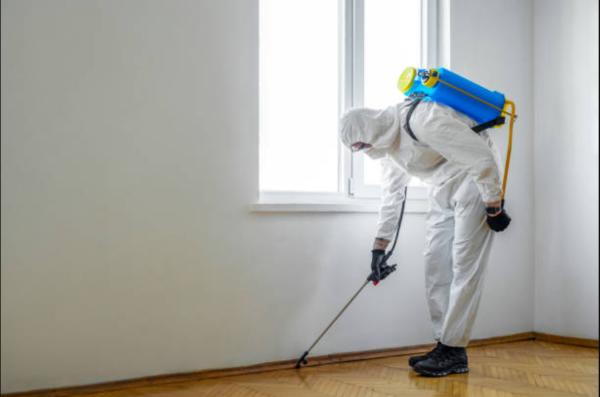
Landlords hiring pest control services should check that exterminators are licensed. They must also follow city and state safety rules. Additionally, they need to use certified products and practices to protect tenants, pets, and belongings. Tenant rights during pest treatment in NYC states that these rules help property owners protect their properties and ensure tenants live comfortably.
Notice Requirements Before Treatment
Tenants must be informed in advance about pest control schedules. New York City law doesn’t specify a notice period, but most landlords give at least 24 to 48 hours' notice. This helps tenants prepare. The notice should include the pest control firm's arrival time and instructions, like covering food or moving furniture.
Tenants have the right to clear communication. Landlords can’t send exterminators into an occupied apartment without permission or proper notice, unless there's an emergency. Management should post signs in shared areas of multi-unit buildings. This will let all residents know when extermination work is scheduled.
Temporary Relocation and Safety Concerns
One common question about pest treatment is if tenants need to leave their apartments. The answer depends on the type of insect, the chemicals used, and the home's condition.
Tenants can usually stay in the flat during basic treatments. This includes putting out bait or spraying in some areas, as long as they follow safety rules. However, for serious treatments like fumigation or treating bedbugs throughout the flat, you may need to move temporarily.
Landlords must notify renters in advance and cover reasonable interim housing costs if the unit becomes unlivable. This is part of the "warranty of habitability." This rule states that all rental properties must be safe and livable. If a tenant must leave for a few days due to harmful chemicals or health risks, they might also qualify for a rent reduction during that time.
Tenant Responsibilities During Pest Treatment
Landlords mainly handle pest control, but tenants also play an important role in keeping the space pest-free. Residents should prepare their apartments as instructed. This might involve moving personal items, cleaning specific areas, or sealing food containers. Not following these steps could make pest treatment take longer or be less effective.
Tenants should inform the landlord immediately about recurring pest issues. Taking pictures or writing complaints about infestations helps keep a record for future reference. Working together makes pest control more effective. It also helps both landlords and tenants follow the rules in tenant rights during pest treatment laws.
If Pest Treatment Is Unsafe or Inadequate
Tenants can complain to the NYC Department of Housing Preservation and Development (HPD) or the Department of Health. This applies if a pest control business uses toxic chemicals, doesn't ventilate well, or leaves harmful residues. They can also call 311 to report unsafe housing situations.
If landlords ignore pest issues, tenants may withhold rent or take legal steps based on the warranty of habitability. Talking to a lawyer who knows NYC housing law can help clarify your rights. This can also prevent retaliation or attempts to evict you. In these disputes, Outerbridge Law and other tenant-focused firms help clients defend their legal rights.
Recurring Pest Issues in Multi-Unit Buildings
Pest problems in multi-family buildings can affect more than one unit. Pests may enter a tenant's space through walls, vents, or shared trash areas. Landlords must address the root cause of the infestation, not just tackle the individual units.
If tenants keep receiving treatments that don’t work, they might ask the landlord to hire a new exterminator. They could also suggest other solutions, like sealing entry points. It's crucial to keep track of tenant rights during pest treatment if the problem persists.
Final Thoughts
Living in a city means dealing with pests, but it shouldn't compromise tenant safety or comfort. New York City law is clear. Landlords must keep buildings pest-free, provide enough notice, and ensure treatments are safe. Tenants should follow the preparation guidelines. If problems continue, they should tell the landlord immediately.
Understanding tenant rights during pest treatment helps renters manage pest issues. This knowledge allows them to protect their rights and maintain a healthy, livable home, even when bugs appear.

