
- posted: Feb. 05, 2026
Tenant Rights During Utility Billing Errors: What Renters Are Legally Protected Against
Wrong utility bills can stress renters, especially in multi-unit buildings. Usage, metering, and invoicing can get confusing. Overcharges, estimated readings, shared meters, and duplicate fees can add up quickly. This makes it tough for tenants to know what they owe or how to act if something seems wrong.
Understanding tenant rights during utility billing errors is key. It helps protect your money and avoids unnecessary disputes with landlords or utility companies.
What Are Utility Billing Errors?
Utility billing errors happen when a tenant gets the wrong charges for utilities like electricity, gas, water, or heat. These mistakes can arise from staff errors, outdated systems, or unclear lease terms. Common types of errors include:
Overbilling, where charges exceed actual usage
Estimated bills that don’t reflect real meter readings
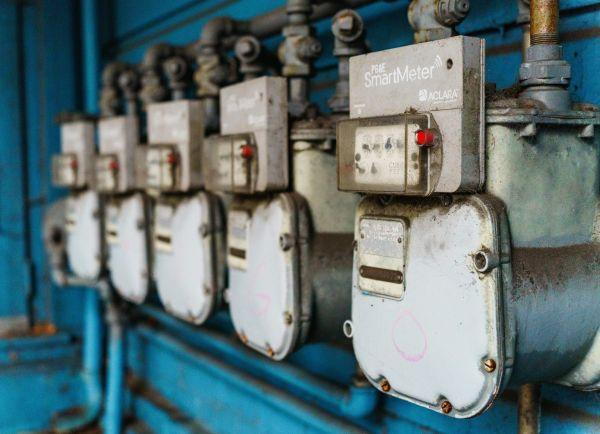
Shared meters, where multiple units are tied to a single meter
Duplicate charges or fees billed twice for the same service
One mistake may not seem serious, but if it keeps happening or isn’t fixed, it can greatly affect a tenant's monthly costs.
Why Utility Billing Issues Matter for Renters
Utilities are vital. Tenants need heat, power, and water. Mistakes on bills can create problems, especially if landlords demand payment before fixing the issue. Tenant protection laws often cover tenant rights during utility billing errors. This helps ensure renters are safe from problems they didn’t cause.
Landlords must provide clear and accurate billing information in many areas. They cannot profit from utility charges that exceed actual costs. Tenants often have the right to dispute incorrect bills without fear of retaliation.
The Right to Clear and Accurate Billing
One of the most fundamental tenant protections is the right to transparency. Renters are entitled to know:
What utilities they are responsible for
How charges are calculated
Whether meters are individual or shared
Which portions of a bill reflect actual usage versus administrative fees
Tenants can challenge a bill if the landlord can't explain a charge or provide proof. Utility costs must always be clear, well explained, and applied consistently.
The Right to Dispute Incorrect Charges
One key tenant rights during utility billing errors is the right to challenge a charge. If a tenant believes a charge is incorrect, they can typically:
Request copies of utility bills or meter readings
Ask for a breakdown of charges
Submit a written dispute within a reasonable timeframe
We generally protect tenants from penalties during a dispute investigation. This means late fees, credit reporting, or eviction actions related to the issue can be paused until it's resolved.
Protection Against Service Shutoffs
Tenants struggling with bills often worry about losing their utilities. In many areas, landlords can't stop providing essential services like heat or electricity during a legal billing dispute. Rules state that accounting errors or unanswered questions shouldn't lead to tenants losing basic services.
Knowing tenant rights during billing mistakes helps renters respond to incorrect shutoff warnings or demands for disputed payments.
Shared Meters and Improper Billing Practices
People often feel confused and angry about sharing a meter. When one meter serves multiple units, renters may pay for usage they didn’t create. In many cases, this practice is illegal or closely regulated. Landlords might need to do one of the following:
Install separate meters, or
Cover the cost of utilities themselves
Tenants might have more legal protections and choices if a lease doesn’t clearly say there’s a shared meter.
Requesting Documentation and Corrections
Tenants can usually ask for corrections when they find mistakes. This might include new invoices, refunds for overpayments, or changes to future charges. If you want to exercise your tenant rights during utility billing errors, it's important to keep written records. Save emails, letters, and copies of invoices.
Clear records help create a timeline. They show that the tenant was responsible and acted in good faith.
Avoiding Retaliation for Speaking Up
Tenants have the right to discuss billing issues without fear of punishment. Landlords generally can't raise rent, cut services, or threaten eviction just because a tenant questions a utility bill. These protections encourage tenants to report errors instead of paying unfair charges.
Final Thoughts
Utility billing mistakes are not just paperwork issues; they directly affect a tenant's cost of living and access to essential services. Renters who know their rights during billing errors can challenge unfair charges, ask questions, and request documentation. By staying informed and taking action, tenants can avoid losing money and ensure utility costs are fair, clear, and legal.

