
- posted: Feb. 11, 2025
Tenant Rights in Eviction Cases
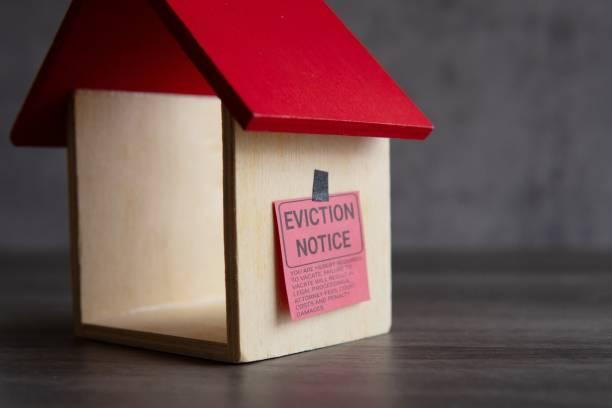
Dealing with eviction is never simple. Though the experience might be intimidating and unpleasant, the good news is that tenants have legal rights in place to stop discriminatory treatment. Understanding your rights can help you to stay safe and negotiate the process without problems. This article will go over your most crucial rights and provide eviction tips.
Different Types of Eviction Notices
Before a landlord may proceed with an eviction, they have to formally notify you, stating the cause. The circumstances determine the kind of notice required. The most often occurring are here:
Pay Rent or Quit Notice: Should your rent be late, this notice provides a deadline for paying the outstanding debt or risk eviction.
Cure or Quit Notice: Should you have broken a lease term such as allowing a pet in a no-pet building this notice applies. It lets you take time to resolve the problem.
Unconditional Quit Notice: The unconditional quit notice is reserved for major transgressions like unlawful conduct. In this instance, the landlord is forcing you to move out; there is no way to fix the issue.
You are entitled to a notice explaining what is wrong and how to stop the eviction.
When is eviction legal?
Valid legal grounds must form the basis of evictions. Typical causes include unpaid rent, several lease infractions, or not leaving when your lease expires. Landlords cannot, however, evict renters for purposes including discrimination or reprisals. Should you have joined a tenants' organization or documented safety concerns in the building, your landlord cannot lawfully pursue you for that.
Your eviction may be avoided if you fall behind on rent but can pay before court. In other situations, you should try to sort things out by speaking with your landlord.
Your Rights Before Eviction Begins
Tenant rights are rather strong in the beginning of the eviction procedure. The landlord must first abide by municipal and state guidelines on appropriate notice. Should they not comply, the court might throw out the lawsuit.
You also have the right to fix the noticed problem. Fixing a lease violation or paying past-due rent, for example, might stop the eviction.
Landlords cannot discriminate against you or act in a response that would be criminal. Should you suspect such is occurring, you can report it to a fair housing agency.
Fighting an Eviction
Should your case find its way to the courts, you have choices for defense. These are some typical tactics:
Improper Notice: Should your landlord neglect to furnish a current notice, the court could dismiss your lawsuit.
No Legal Grounds: Should the landlord lack a valid cause for evicting you, you can still dispute your case.
Habitability Issues: If your landlord neglects to maintain the property that is, if they neglect to address plumbing or heating issues this could benefit you.
Make sure you compile proof, including pictures of any apartment issues, your lease, and rent records.
The Court Process
Here's what you need to know if you're going to court:
Summons and Hearing: The landlord has to open a case and serve you a court summons. You will have a chance to state your stance at the hearing.
Legal Help: You have the right to hire a lawyer. Many legal aid groups provide free assistance should you be unable to afford one.
Show up for every court hearing, please. Should you fail, the judge can default in favor of the landlord, therefore causing eviction.
Should the court lean toward the landlord, you have additional time to appeal or negotiate departure.
What Happens After a Court Ruling
Your landlord has rules to obey even if a judge finds against you. They cannot drive you out on their own. Only a sheriff or an approved agent can execute an eviction.
You may also be able to appeal the decision or negotiate a move-out date with your landlord to avoid a forced eviction.
Extra Protections for Vulnerable Tenants
Under the legislation, some renters enjoy further rights. For instance, families with young children, retirees, those with impairments, and others may get longer notice times or relocation help in specific locations.
Programs meant to stop homelessness could also provide assistance, including legal or financial aid.
Steps to Protect Yourself
Here are some steps you can take to protect yourself if you’re facing eviction:
Learn Your Rights: To find your choices, learn about local tenant rules or consult a lawyer.
Keep Records: Save emails, receipts, and other records about rent payments and landlord correspondence.
Get Legal Advice: See a legal assistance agency or tenant advocacy group for guidance.
Communicate: Speak with your landlord to try to come to an arrangement on something like a lease amendment or payment schedule.
Finding Help
There are many resources available for tenants, including:
Legal Aid Services: Those who meet criteria get free legal assistance.
Tenant Support Groups: These groups advocate and teach renters their rights.
Rental Assistance Programs: Government or nonprofit initiatives known as rental assistance programs might help pay back off debt.
Conclusion
Though knowing your rights increases your likelihood of keeping your house, facing eviction can be terrifying. By staying informed, documenting everything, and seeking appropriate assistance, you can better position yourself. Whether you're ready for court or talking with your landlord, staying proactive can make a big difference.

